Weight and structure
A wrap coat needs different drape from a structured overcoat. GSM measures mass, not a guaranteed warmth rating.
Choose coating weight for your designFred Textile factory-direct wool coating
Choose a fabric that works for the garment, not just the photograph. Compare wool coating by silhouette, composition, weight and finish, then prepare a sample brief for Fred Textile, the Jiangsu manufacturer of woolen and blended woven fabrics behind this resource.
Quick answer
Wool coating is an outerwear-weight fabric category, usually woven or felted, developed to provide some combination of warmth, body, surface character, drape, and durability for coats and jackets. “Coating” is not a complete specification: two fabrics with the same name can differ in fibre content, yarn system, weave, fulling, brushing, weight, thickness, usable width, and bulk performance.
Read the complete definitionSelect your coat fabric
Start with the silhouette and construction below. These are sampling directions, not stock listings or fixed article specifications. Confirm candidate fabrics and availability with Fred Textile.
A wrap coat needs different drape from a structured overcoat. GSM measures mass, not a guaranteed warmth rating.
Choose coating weight for your designChoose against fibre requirements, surface, making behaviour and cost. Compare physical samples rather than wool percentage alone.
Compare pure wool and wool blend coatingUse a hanger to shortlist appearance and yardage to test panels, seams and the complete garment.
Compare sample formatsInclude your coat sketch or reference photo, lined or unlined construction, preferred fibre content, physical handle reference, estimated total metres and colour split. Say whether you need a visual swatch, a seam-test cutting or prototype yardage.
Ask for this reply: candidate article identification, declared composition, finished GSM, usable width, face and reverse photographs, sample dimensions and charges, article and colour minimums, and the proposed schedule. Mark any unknown fields as “to be confirmed” instead of guessing.
High-intent buyer routes
These routes connect common search phrases to the exact evidence and decisions a sourcing, product-development, quality, or garment team needs before contacting Fred Textile.
Check the supplier identity, production path, sample evidence, communication ownership, and order controls before treating a factory claim as a sourcing decision.
Read guide → 02Compare quantity, colour split, development route, construction, finish, lead-time assumptions, and what must be confirmed before a quotation is comparable.
Read guide → 03Map the brief, lab dip or strike-off, sample yardage, garment trial, bulk release, inspection, and shipment sequence before committing to a launch date.
Read guide → 04Turn inspiration into a supplier-ready request with garment use, composition, construction, weight, width, surface, colour, quantity, testing, delivery, and open points.
Read guide → 05Use evidence to distinguish fibre, yarn, construction, finish, wear, care, lot, and approval variables before deciding what needs correction.
Read guide → 06Review cutting, relaxation, fusing, pressing, seam construction, lining, and wear trials with the fabric and garment teams before bulk release.
Read guide → 07Separate fibre, yarn, construction, finishing, colour, testing, usable width, quantity, packing, and freight assumptions before comparing a price per metre.
Read guide → 08Use a controlled route from concept and material reference through lab work, sample yardage, garment trial, bulk approval, inspection, and delivery.
Read guide → 09Turn an attractive fabric price into a usable buying decision by checking yield, testing, packaging, transport, duties, risk, and revision costs.
Read guide →Buyer journey
Follow one connected buyer path: understand the category, define the specification, request and approve physical material, compare the commercial scope, release bulk fabric, then protect continuity. Every unknown remains an RFQ question until Fred Textile confirms it for the article and order.
Ready to send a reference fabric photo, target specification, colour, quantity, or delivery requirement to Fred Textile?
Fred Textile factory-direct · since 1995
WoolCoating.com is backed by Fred Textile, a woolen and blended woven fabric manufacturer in Jiangsu. Buyers can move from research to a Fred Textile factory discussion covering material direction, top dyeing, spinning, weaving, finishing, inspection, testing, and shipment coordination.
Fred Textile · Spinning / Weaving
No. 110 Xinzha Road, Yangshe Town, Zhangjiagang, Suzhou, Jiangsu, China
Fred Textile site line: +86 (0512) 58680298Fred Textile · Dyeing / Finishing
No. 102 Xingquan Road, Shanquan Village, Zhouzhuang Town, Jiangyin, Wuxi, Jiangsu, China
Fred Textile site line: +86 (0512) 58916373Fred Textile manufacturing names, locations, production scope, and snapshot figures follow Fred Textile’s current public Facilities and site information. Capacity, MOQ, certifications, testing, and commercial terms remain subject to article, order, current document scope, and written confirmation.
Start with the decision
Pick the question that is least clear. Every guide links selection, evidence, garment trials, quality controls, and a supplier-ready next step.
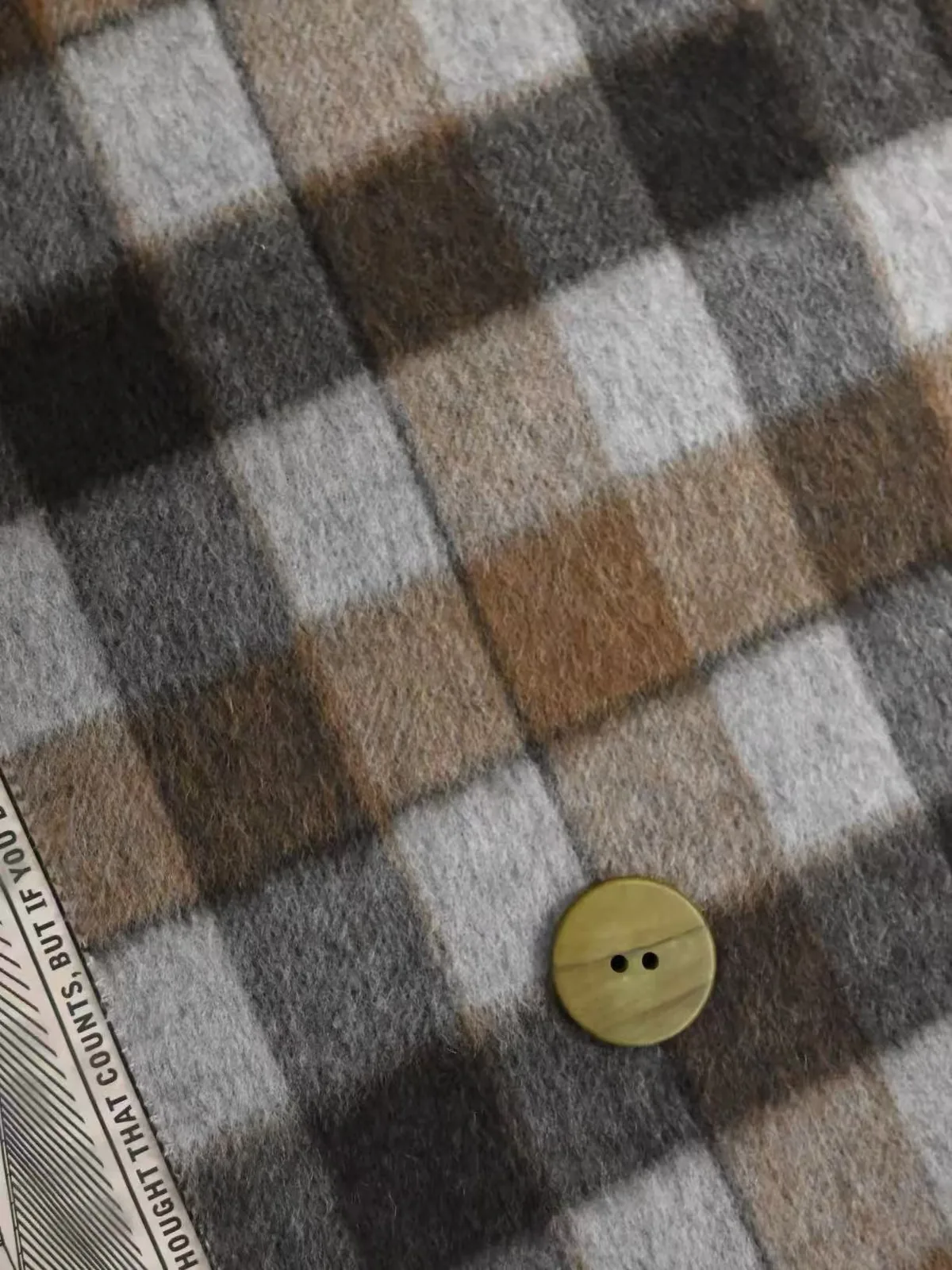
Identify the material before you compare price, handfeel, warmth, or finish.
Explore 28 guides →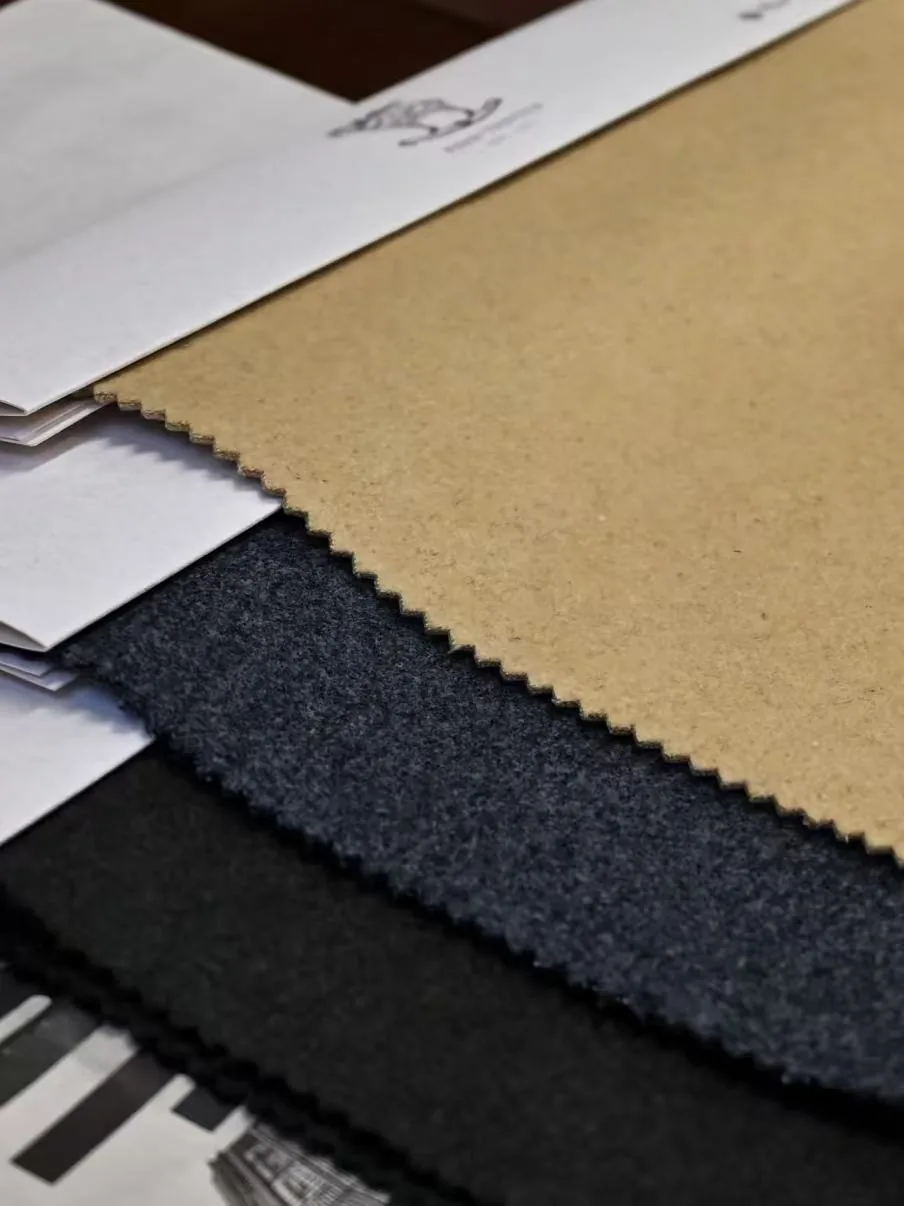
Translate fibre percentages into realistic coat performance and sourcing trade-offs.
Explore 28 guides →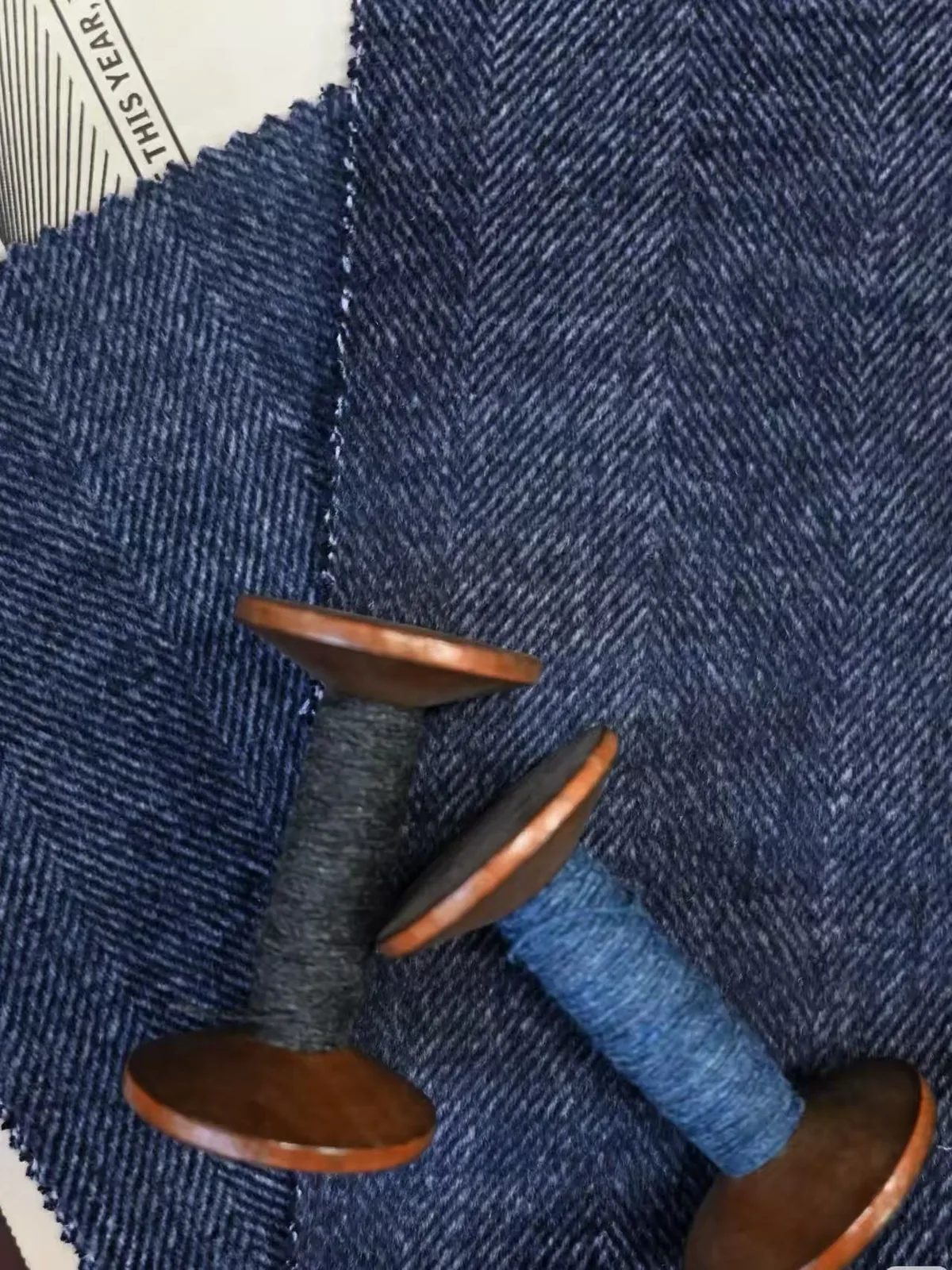
Specify coat behaviour with measurable inputs instead of relying on a fabric name.
Explore 28 guides →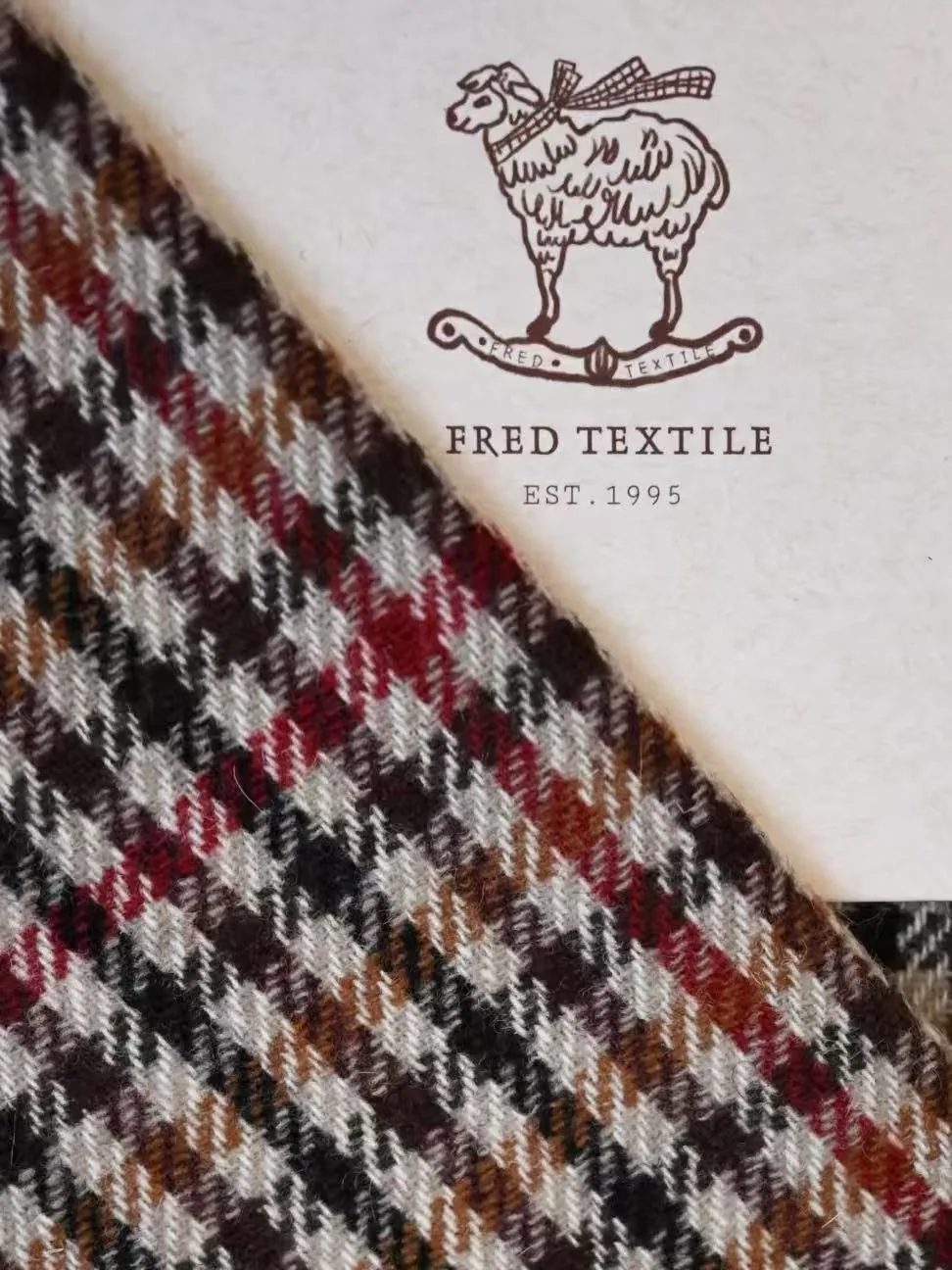
Match fabric structure to silhouette, construction method, lining, and wear conditions.
Explore 28 guides →
Turn a visual idea into a quote-ready fabric brief and a comparable supplier proposal.
Explore 33 guides →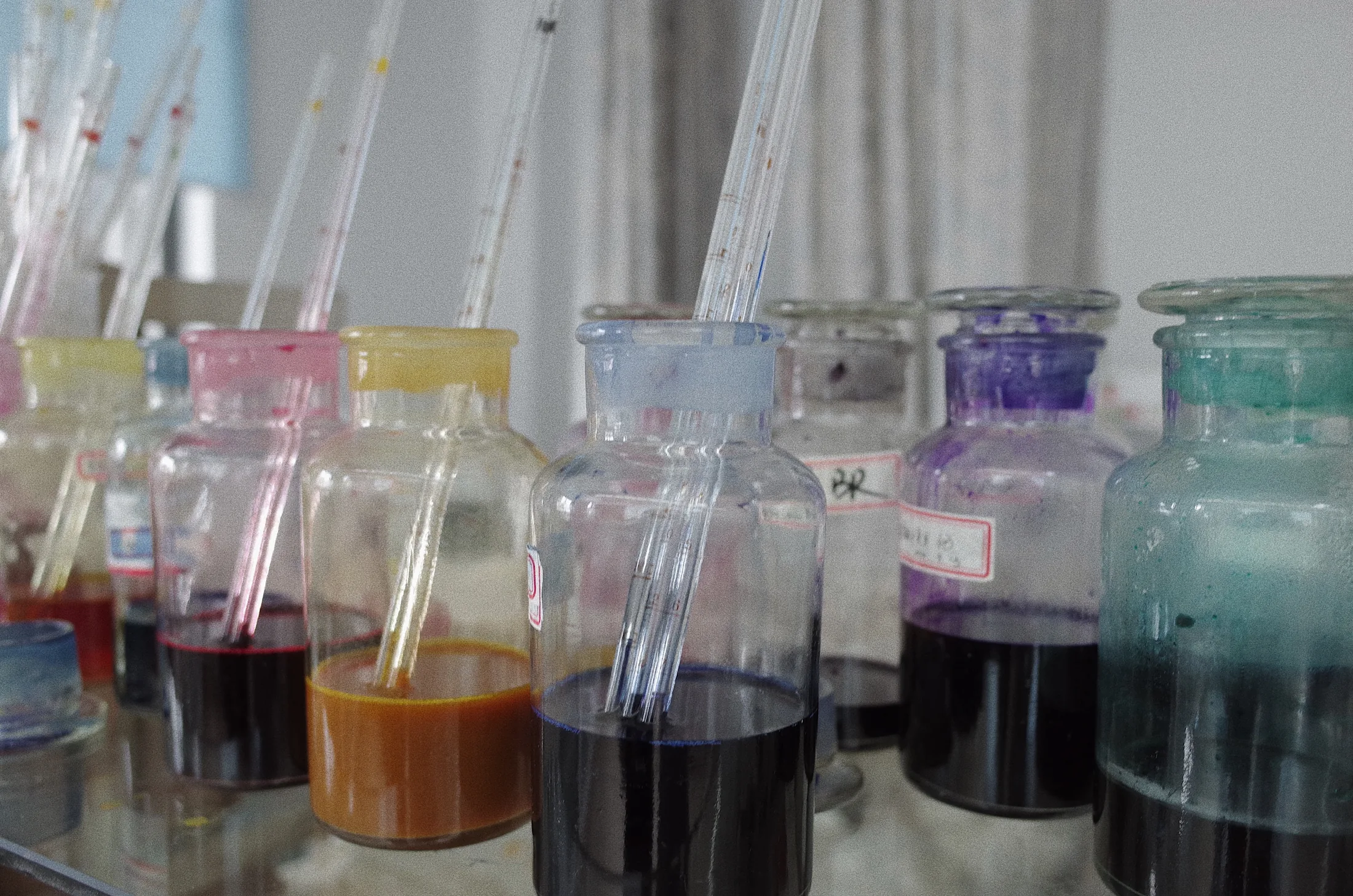
Define the method, sample, unit, conditioning, and acceptance rule before bulk production.
Explore 32 guides →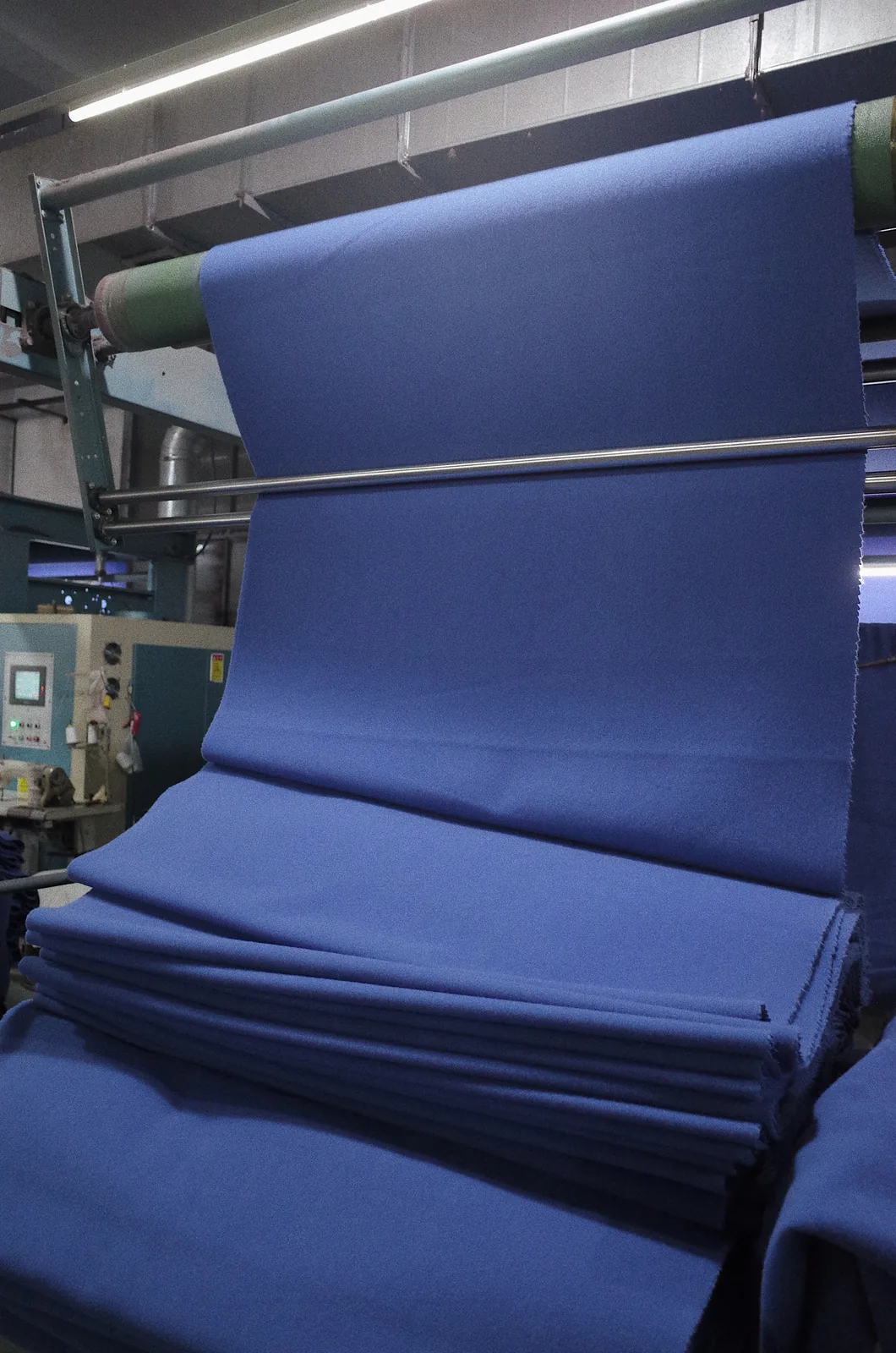
Separate fibre, construction, finishing, garment-making, and care causes before choosing a fix.
Explore 30 guides →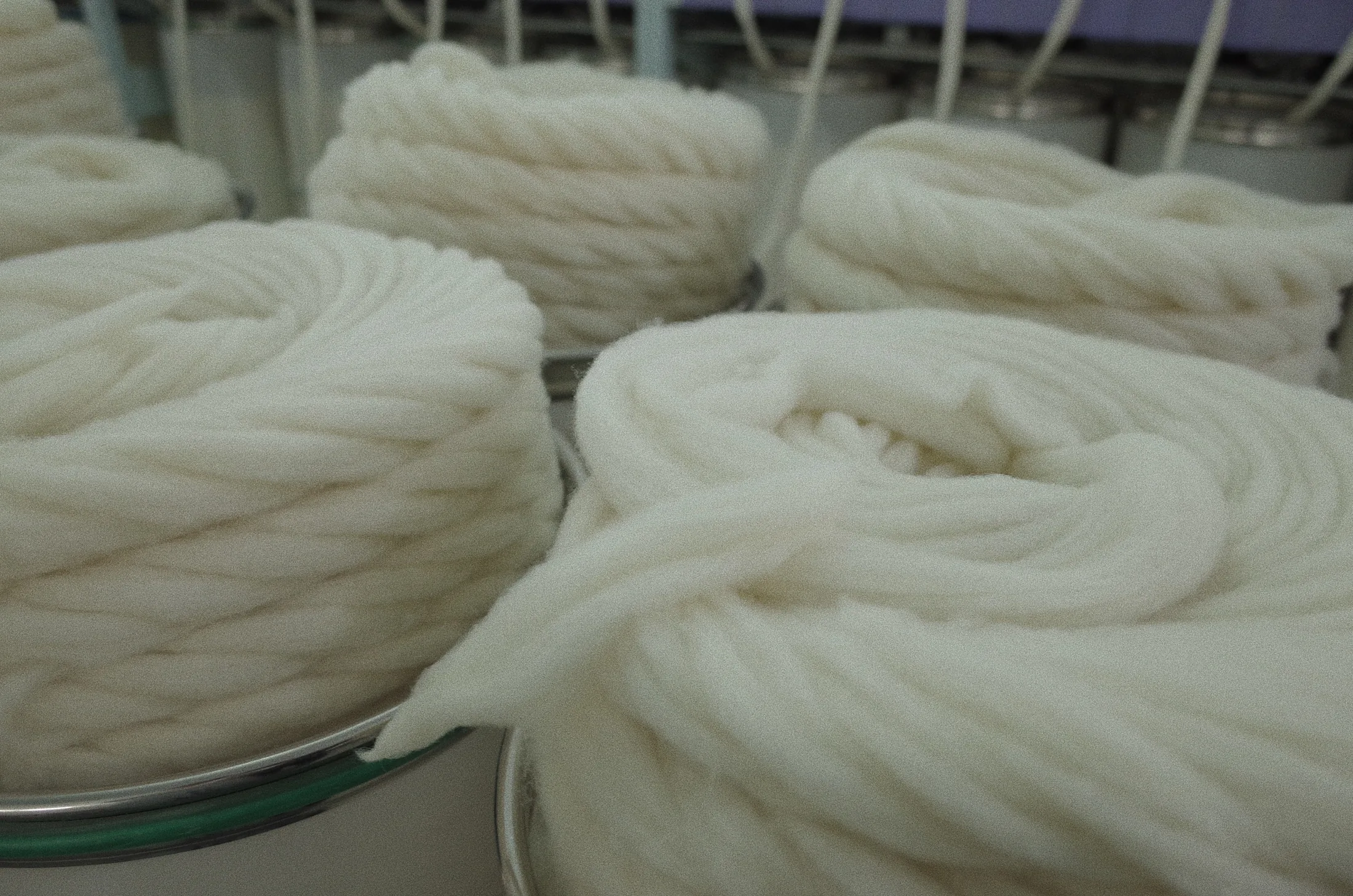
Ask what a claim covers, how it is evidenced, and whether the fabric still meets the product brief.
Explore 28 guides →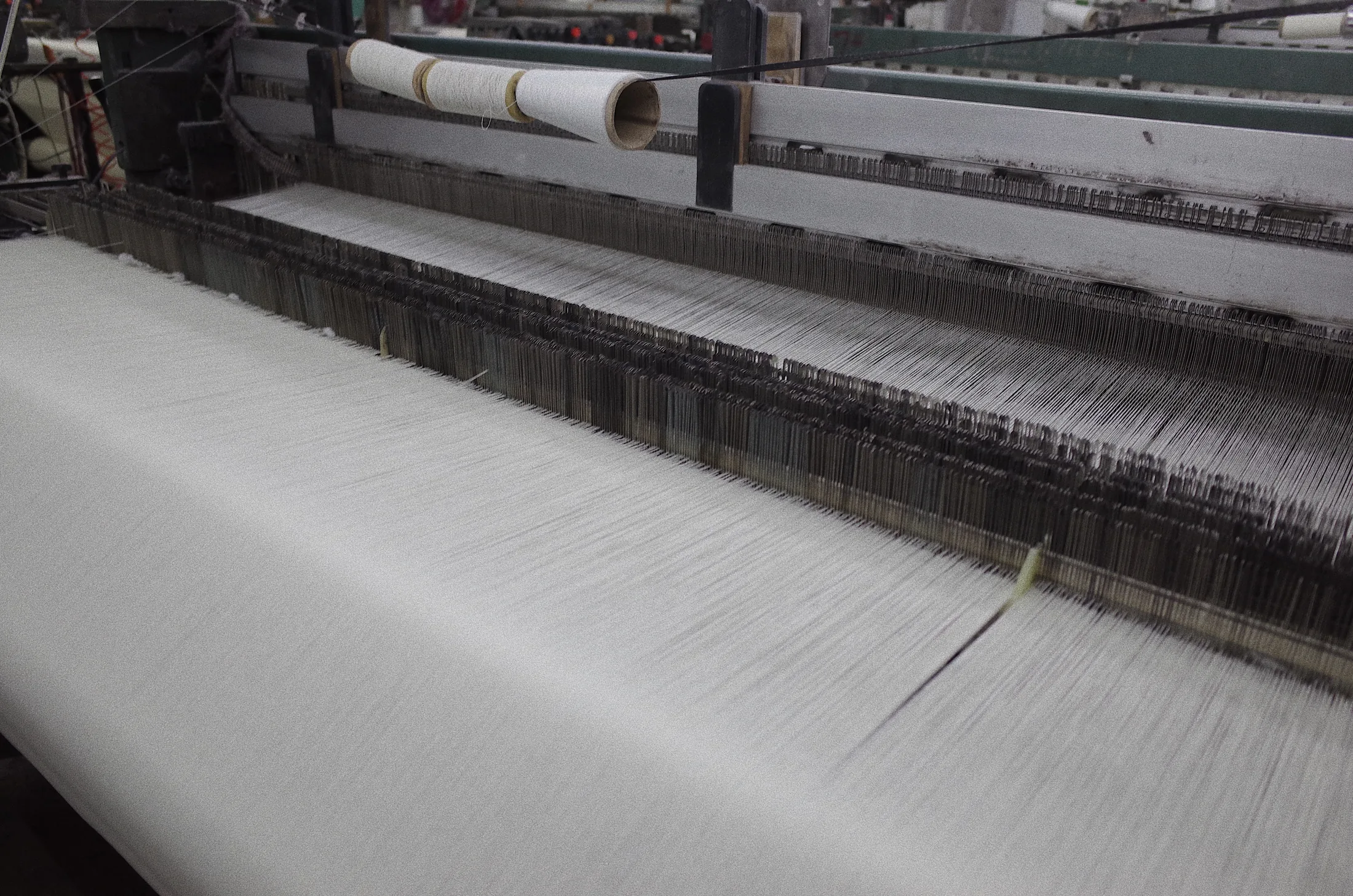
Connect yarn and loom decisions to density, surface, stability, width, and garment behaviour.
Explore 28 guides →
Control the route that converts greige fabric into the approved handfeel, nap, colour, width, and appearance.
Explore 28 guides →
Turn colour and pattern direction into controlled standards, tolerances, repeats, and approval records.
Explore 31 guides →
Create traceable approval gates from the first hanger through sample yardage, pilot production, and repeat orders.
Explore 30 guides →
Match the exact product and market to current legal, buyer, laboratory, and traceability evidence.
Explore 29 guides →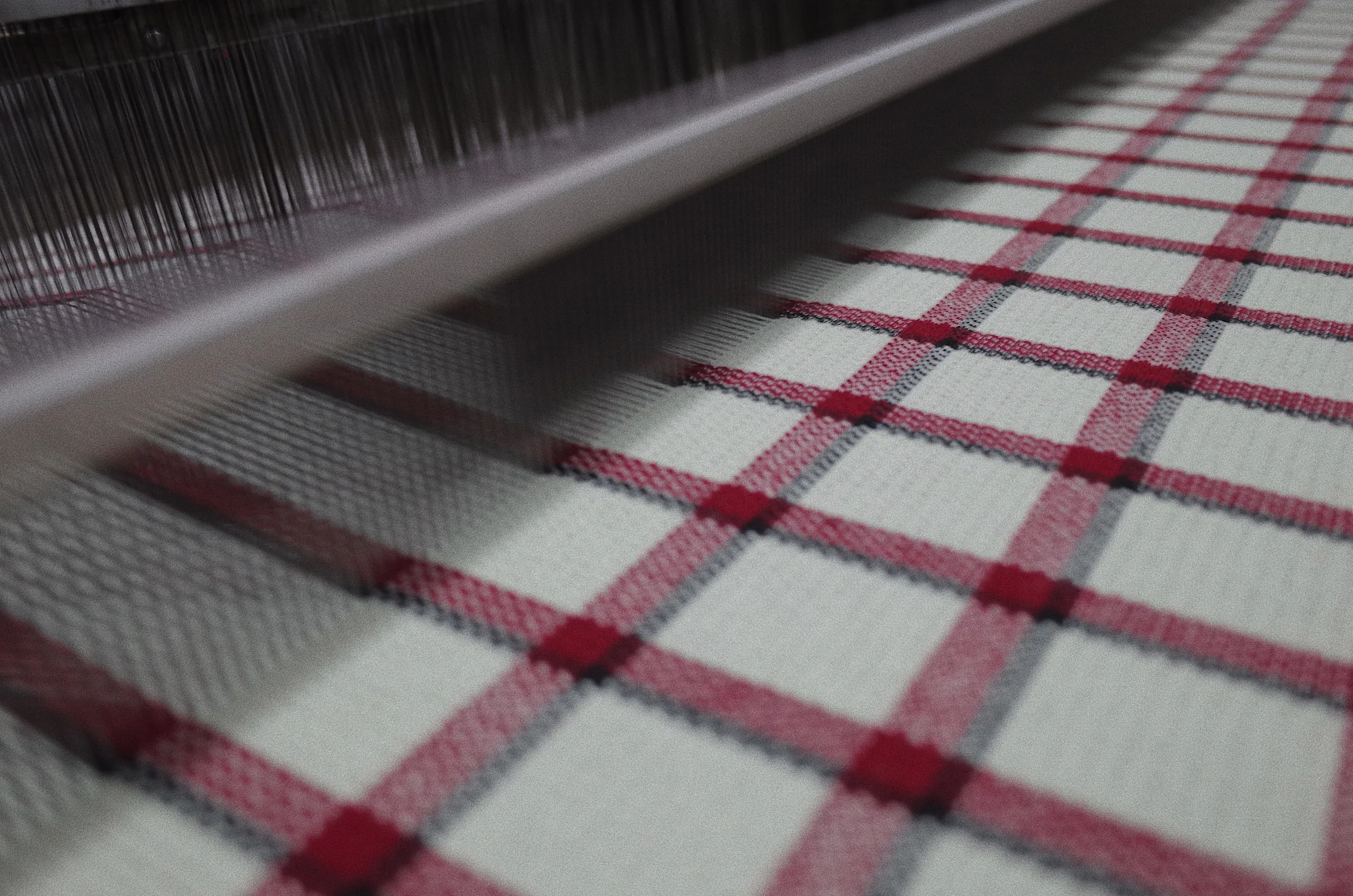
Prove that the selected coating can be cut, sewn, fused, pressed, lined, finished, and inspected at production scale.
Explore 59 guides →
Build a fabric range around climate, wearer, channel, silhouette, volume, and price position.
Explore 28 guides →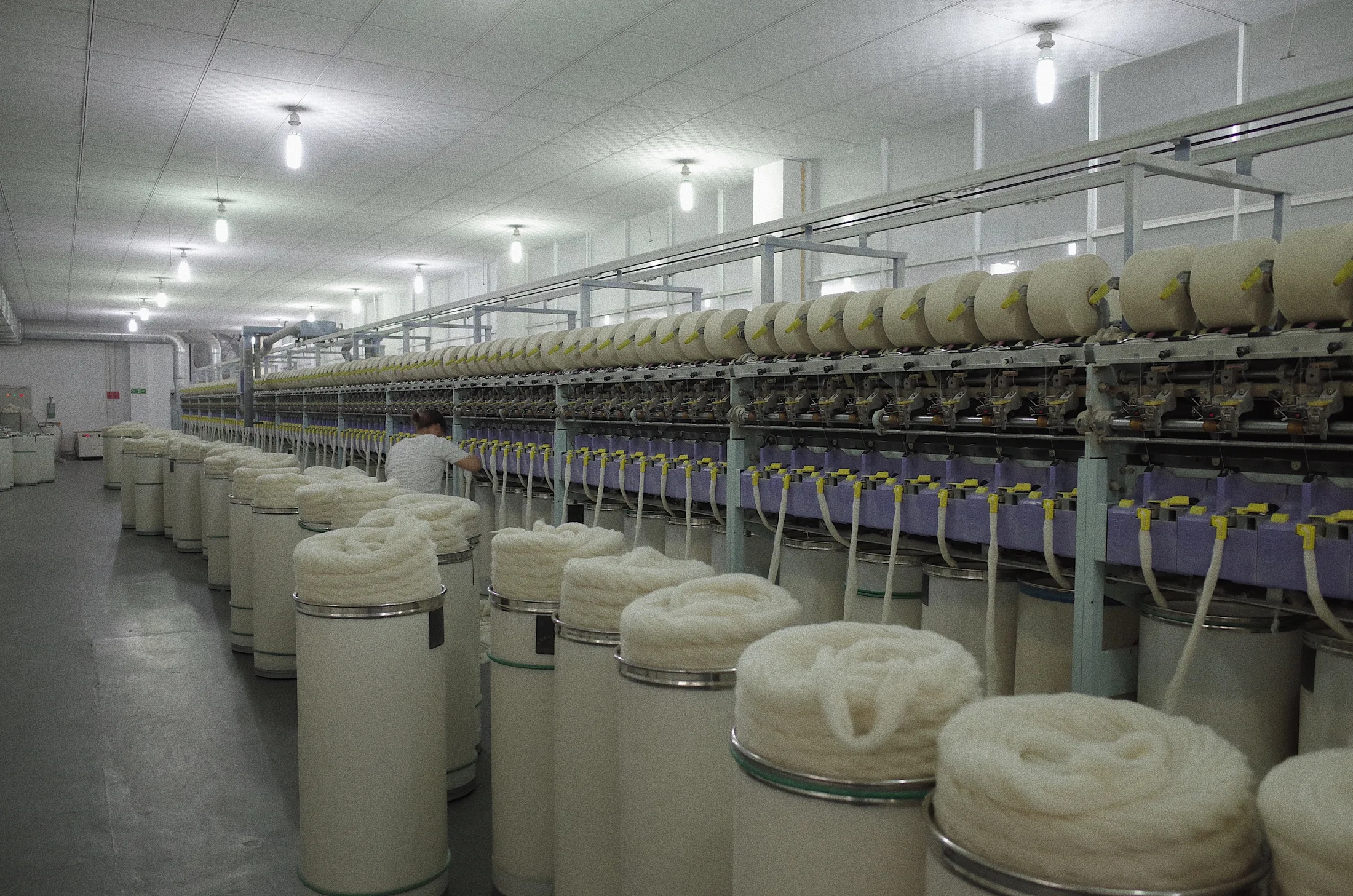
Plan cost, capacity, yield, freight, risk, repeatability, and supplier performance across the whole programme.
Explore 36 guides →Material first
Handfeel and colour start the conversation, but bulk approval needs a shared definition: fibre declaration, construction, weight, usable width, surface and back, colour standard, finish, test basis, tolerances, and an approved retained sample.
From fibre to finish
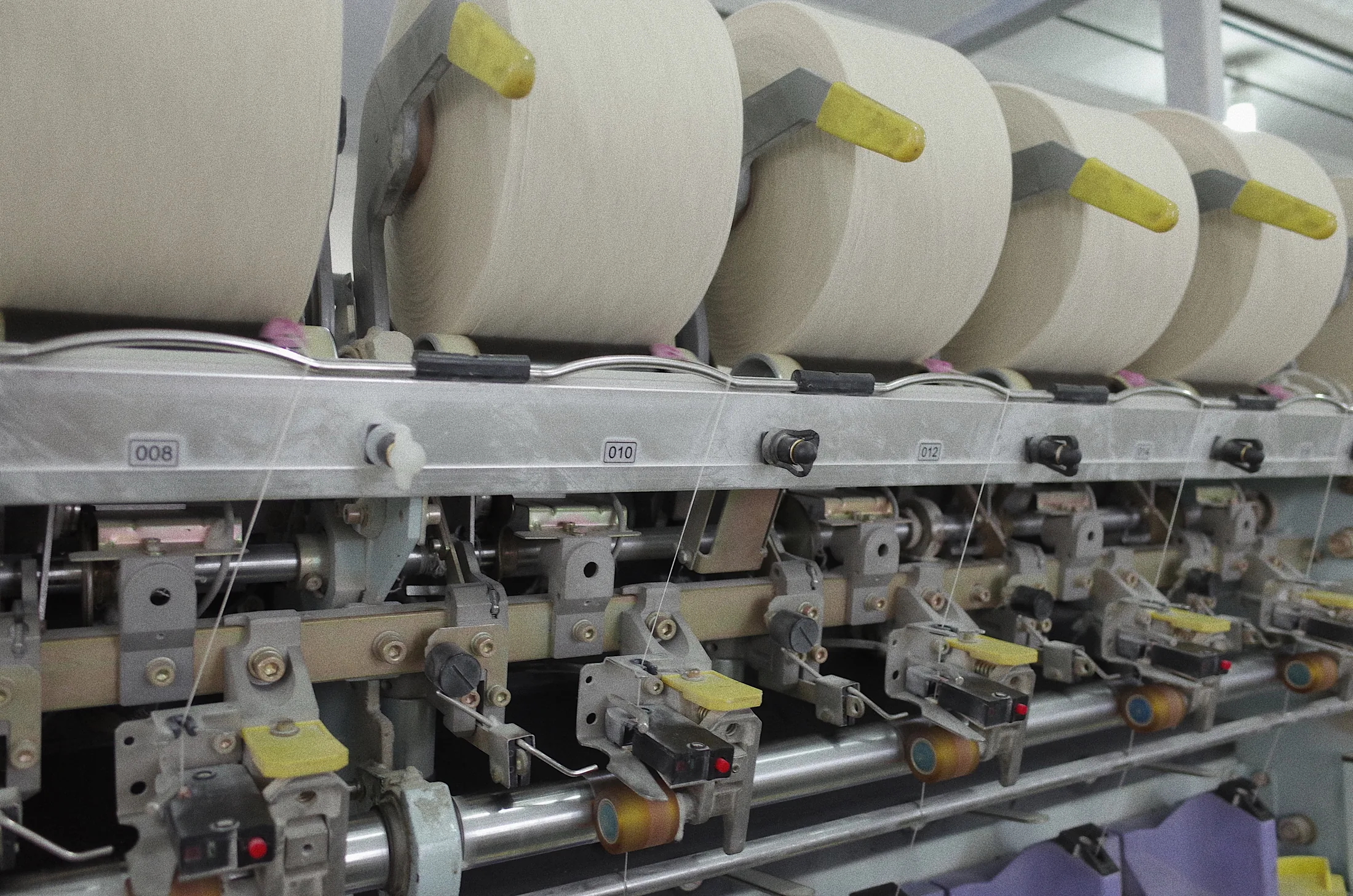
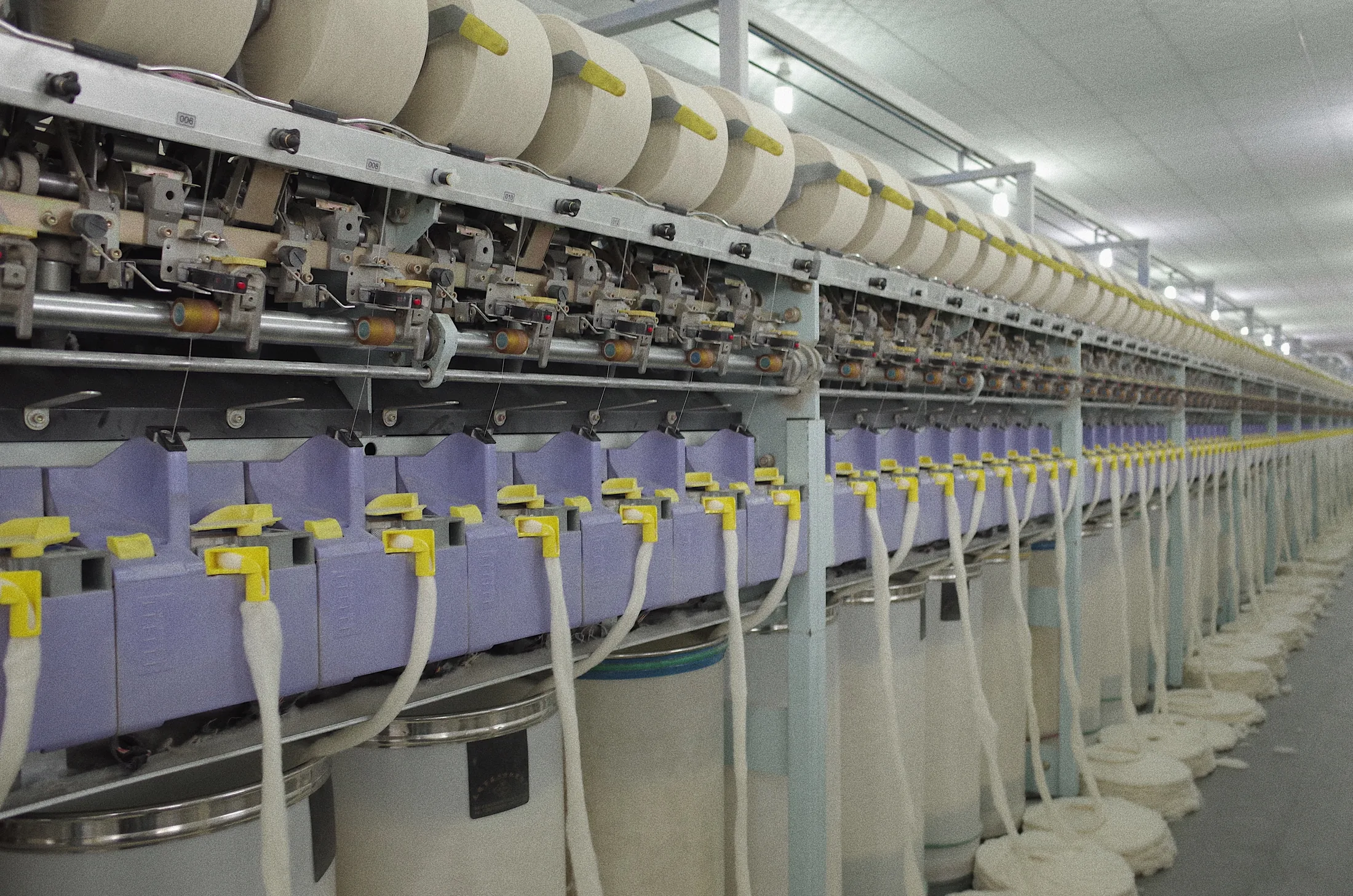
Fred Textile’s published production scope covers top dyeing, spinning, weaving, finishing, inspection, and delivery coordination. These visuals help buyers connect a finished coating fabric to the decisions that created it.
 01
01Start with fibre identity, blend, colour route, and traceability needs.
 02
02Yarn system and consistency influence surface, bulk, strength, and finish response.
03Construction, density, width, and tension establish the base fabric.
04Fulling, raising, brushing, cropping, pressing, and dyeing shape the final hand.
05Retained standards, roll checks, shade control, and testing support release.
Production scope and imagery are based on Fred Textile’s public facilities and production overview and company materials supplied for this project. Source checked 2026-09-29. The garment-selection directions above are editorial buying guidance, not article test results. Confirm order-specific capabilities, specifications and acceptance limits for each enquiry.
Popular buyer questions
This guide answers “What Is Wool Coating Fabric?” from a buyer’s perspective, where the name or search phrase is only the starting…
Read guide → Materials & Fabric TypesThis guide answers “What Is Melton Wool Coating?” from a buyer’s perspective, where the name or search phrase is only the starting…
Read guide → Materials & Fabric TypesThis guide answers “What Is Boiled Wool for Coats?” from a buyer’s perspective, where the name or search phrase is only the starting…
Read guide → Materials & Fabric TypesThis guide answers “Wool Felt vs Woven Wool Coating” from a buyer’s perspective, where the name or search phrase is only the starting…
Read guide → Materials & Fabric TypesThis guide answers “What Is Loden Wool Fabric?” from a buyer’s perspective, where the name or search phrase is only the starting point…
Read guide → Materials & Fabric TypesThis guide answers “Tweed as a Wool Coating Fabric” from a buyer’s perspective, where the name or search phrase is only the starting…
Read guide → Materials & Fabric TypesThis guide answers “Boucle Wool Coating Explained” from a buyer’s perspective, where the name or search phrase is only the starting…
Read guide → Materials & Fabric TypesThis guide answers “Wool Flannel for Coats and Jackets” from a buyer’s perspective, where the name or search phrase is only the starting…
Read guide → Materials & Fabric TypesThis guide answers “Double-Faced Wool Coating Explained” from a buyer’s perspective, where the name or search phrase is only the…
Read guide → Materials & Fabric TypesThis guide answers “Brushed Wool Coating and Surface Nap” from a buyer’s perspective, where the name or search phrase is only the…
Read guide → Materials & Fabric TypesThis guide answers “Hairy Wool Coating for Luxury Outerwear” from a buyer’s perspective, where the name or search phrase is only the…
Read guide → Materials & Fabric TypesThis guide answers “Cashmere Wool Coating Explained” from a buyer’s perspective, where the name or search phrase is only the starting…
Read guide →Buyer tools
Use the structured brief to capture the decision, the glossary to align terminology, and the editorial page to understand the evidence boundary behind this resource.
Turn garment use, composition, weight, width, surface, colour, quantity, testing, sampling, and delivery into a copyable enquiry.
Build the brief →Align design, sourcing, mill, garment-making, laboratory, and quality teams on the terms that affect approval.
Use the glossary →See the source basis, editorial standard, claim boundaries, and the role of Fred Textile as the commercial destination.
Read the methodology →Direct Fred Textile factory discussion
Fred Textile supports OEM and ODM woolen and blended woven fabric programmes from material direction and sampling through production, testing support, final inspection, and shipment coordination. Share the coat, composition, weight, width, surface, colour, quantity, test requirements, and target schedule to begin.
Direct to Fred Textile’s factory team