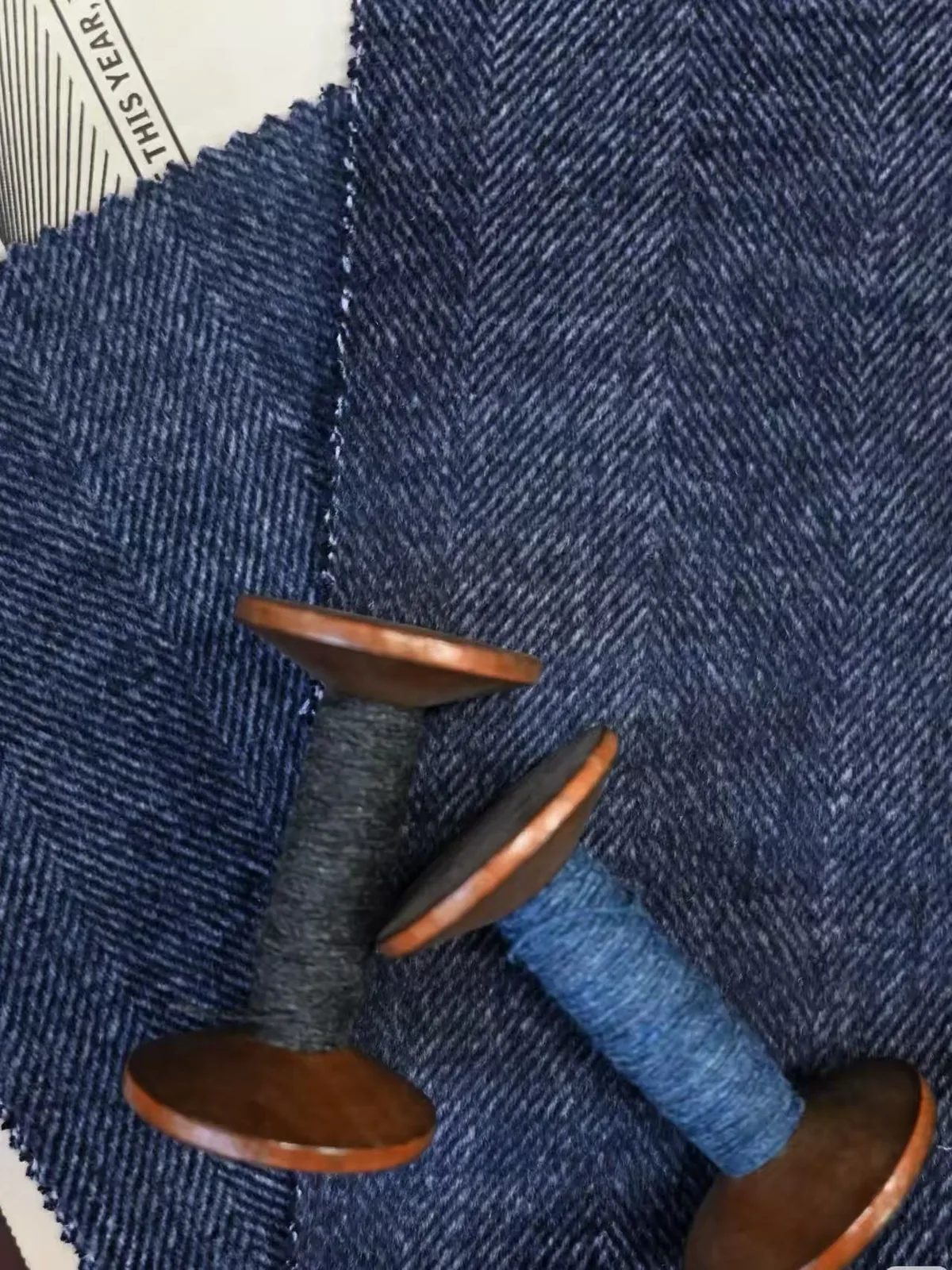
Quick answer
Wool Coating for Varsity Jackets
This guide answers “Wool Coating for Varsity Jackets” from a buyer’s perspective, where the name or search phrase is only the starting point. For designers moving from a handfeel idea to a measurable specification, the practical route is to run a sewn, pressed, and conditioned trial before approving bulk fabric. The working brief should cover the silhouette, garment length, internal structure, lining plan, edge treatment, seam construction, pressing route, and wear environment.
A lower-cost option is useful only when it still meets the appearance, sewing, care, and durability requirements of the programme.
Problem-solving action plan
Define the issue, verify the evidence, then brief Fred Textile
Use this topic when the project must decide how the requirement behind “Wool Coating for Varsity Jackets” fits the intended coat, price position, production method, and care route. The answer depends on the approved reference and the complete fabric specification, not on one attractive swatch.
1. Define the problem boundary
Treat “Wool Coating for Varsity Jackets” as an end-use and garment-engineering question, not as approval of a fabric independently from the silhouette, wearer, internal construction, care route, and production method. For designers moving from a handfeel idea to a measurable specification, use it to translate the intended garment into panel scale, drape, support, cutting, sewing, fusing, pressing, lining, wear, and care requirements. In this coat applications & design guide, cover the silhouette, garment length…
2. Diagnose with traceable evidence
Verification for “Wool Coating for Varsity Jackets” begins with identity, not interpretation. Label the supplier, article, colour, composition declaration, revision, sample type, date, source, lot or development reference, and intended decision. Retain face, back, selvedge, and full-width context where relevant. Do not transfer a result automatically from a different article, colour, lot, finish, specimen, garment, market, or production stage. At development stage, assemble a full garment sketch, target handfeel, weight and thickness data, cutting layout, seam mock-up, pressing trial, and wear-test plan. For…
3. Convert findings into a controlled handoff
Before bulk approval for “Wool Coating for Varsity Jackets,” confirm sample identity, colour, fibre declaration, weight, usable width, finish, lot, testing basis, garment-making result, and agreed tolerances.
What the buyer should send
Mark unknown items as open. Do not replace missing evidence with assumptions.
- Garment drawing and measurements
- Target drape and structure
- Nap or pattern direction
- Construction trial needs
- Wear and care requirements
- Prototype approval date
Release the application only after realistic sample yardage has passed cutting, construction, pressing, drape, care, and wearer-relevant review.
Fred Textile
Send the evidence pack to Fred Textile
Attach the current specification, labelled sample or photo references, relevant test or inspection records, quantity, colour split, target timing, and a clear list of open questions. Fred Textile can review the brief for article-specific development or quotation; final acceptance remains tied to the agreed order evidence.
What the buyer is actually deciding
Use this topic when the project must decide how the requirement behind “Wool Coating for Varsity Jackets” fits the intended coat, price position, production method, and care route. The answer depends on the approved reference and the complete fabric specification, not on one attractive swatch.
Ask the supplier to explain how the proposed fabric for this requirement is built and finished, which characteristics are controlled in bulk, and which points require a garment trial. For approval, request a full garment sketch, target handfeel, weight and thickness data, cutting layout, seam mock-up, pressing trial, and wear-test plan.
Start with use
Define the coat, wearer, climate, silhouette, care route, and price position before narrowing fabric options.
Make it measurable
Translate appearance and handfeel into construction, dimensions, performance, tolerances, and an approved physical reference.
Prove it in making
Use sample yardage for cutting, seams, fusing, pressing, drape, lining, recovery, and care trials before bulk release.
Topic boundary
Define what this topic establishes—and what it does not
Treat “Wool Coating for Varsity Jackets” as an end-use and garment-engineering question, not as approval of a fabric independently from the silhouette, wearer, internal construction, care route, and production method. For designers moving from a handfeel idea to a measurable specification, use it to translate the intended garment into panel scale, drape, support, cutting, sewing, fusing, pressing, lining, wear, and care requirements. In this coat applications & design guide, cover the silhouette, garment length, internal structure, lining plan, edge treatment, seam construction, pressing route, and wear environment. Keep description, verification, and approval separate so the proposal, traceable evidence, decision owner, and conditions remain visible. Ask: What silhouette, length, panel scale, and internal structure must the fabric support? A lower-cost option is useful only when it still meets the appearance, sewing, care, and durability requirements of the programme. If the available evidence does not answer that question, keep it open rather than turning assumption into specification. This matters because choosing fabric from a swatch alone can overlook bulk at seams, drape across large panels, nap direction, lining needs, and pressing response. The boundary therefore explains how to investigate the topic without turning educational guidance into a Fred Textile guarantee or a substitute for the signed order specification.
Topic-specific review
Questions to resolve before supplier selection
Decision question
What silhouette, length, panel scale, and internal structure must the fabric support?
Decision question
How will nap, pattern, usable width, bulk, and shrinkage affect cutting consumption?
Decision question
Which seam, edge, fusing, pressing, lining, and closure trials are required?
Decision question
What wearer, climate, care route, durability level, and retail position define success?
Illustrative decision
Work through a buyer decision without inventing an order result
Illustrative decision—not a product claim or guaranteed Fred Textile result. A buyer uses “Wool Coating for Varsity Jackets” to screen two hypothetical candidates against the same documented coat brief. Label each by article, colour, sample stage, and revision; keep garment, market, care route, schedule, and approval owner constant. Start by converting the query into one decision: translate the intended garment into panel scale, drape, support, cutting, sewing, fusing, pressing, lining, wear, and care requirements. Ask: How will nap, pattern, usable width, bulk, and shrinkage affect cutting consumption? In the example, one route may emphasise body, protection, or shape retention and therefore require different seams, pressing, lining, or bulk reduction. By contrast, another may emphasise softness, movement, or an unstructured appearance while requiring closer control of recovery and durability. Judge both against the same brief, units, conditions, reference samples, and decision gates. Build the comparison sheet around garment drawing and measurements, target drape and structure, nap or pattern direction, construction trial needs, wear and care requirements, prototype approval date. Attach evidence to every row; absent items remain open. Define the method and acceptance basis before reading a result. Compare appearance against retained references under agreed conditions. A lower-cost option is useful only when it still meets the appearance, sewing, care, and durability requirements of the programme. Record the decision as approve, conditionally approve, revise, re-test, or reject, with an owner and next action. Release the application only after realistic sample yardage has passed cutting, construction, pressing, drape, care, and wearer-relevant review. If technical, visual, manufacturing, compliance, or commercial evidence points in different directions, hold release and name the evidence needed next. This example supplies no invented specification, test result, price, lead time, certificate, or bulk-performance claim.
Fred Textile factory context
Connect this decision to the people and processes making the fabric.
Fred Textile is a woolen and blended woven fabric manufacturer with two named Fred Textile Jiangsu manufacturing locations and published support for top dyeing, air and mule spinning, rapier-loom weaving, piece-dyed finishing, inspection, testing, and shipment coordination.
Coat use is connected to Fred Textile manufacturing decisions about yarn, weave, weight, surface, usable width, finishing, shade control, cutting direction, pressing response, and sample-yardage approval.
Decision framework
Translate the search term into a supplier-ready specification
A reliable evaluation sequence for “Wool Coating for Varsity Jackets” starts with end use and risk, moves through a written specification and representative sample, and ends with laboratory, sewing, pressing, and bulk-lot controls. The principal warning is that choosing fabric from a swatch alone can overlook bulk at seams, drape across large panels, nap direction, lining needs, and pressing response.
Before bulk approval for “Wool Coating for Varsity Jackets,” confirm sample identity, colour, fibre declaration, weight, usable width, finish, lot, testing basis, garment-making result, and agreed tolerances.
Topic-specific evidence
Turn the decision into a verification plan
Verification for “Wool Coating for Varsity Jackets” begins with identity, not interpretation. Label the supplier, article, colour, composition declaration, revision, sample type, date, source, lot or development reference, and intended decision. Retain face, back, selvedge, and full-width context where relevant. Do not transfer a result automatically from a different article, colour, lot, finish, specimen, garment, market, or production stage. At development stage, assemble a full garment sketch, target handfeel, weight and thickness data, cutting layout, seam mock-up, pressing trial, and wear-test plan. For any measurement, record the current applicable method, conditioning, units, specimen direction and coverage, individual results, target, tolerance, and deviations. For visual or tactile decisions, record the reference, conditions, reviewers, comments, and approval status. A generic statement, certificate, logo, trade name, or unlabelled sample is not product-specific proof when its scope is unclear. Then test the decision in the intended garment route. Note cutting direction and usable width; observe seams, bulk, pattern or nap alignment, fusing, pressing, relaxation, care response, and final appearance where relevant. Before bulk release, reconcile the physical standard, written specification, test and colour status, garment comments, open conditions, commercial scope, and inspection plan. Release the application only after realistic sample yardage has passed cutting, construction, pressing, drape, care, and wearer-relevant review. Stop and investigate if identities do not match, methods or units differ, evidence is expired or out of scope, or sample and garment observations conflict. Record disposition, corrective action, re-test needs, owner, date, and the evidence that closes each point.
RFQ-ready handoff
Put these fields in the supplier brief
For wool coating for varsity jackets, send a controlled request that names the decision, evidence, tolerance, owner, and due date instead of relying on the title alone.
- Garment drawing and measurements
- Target drape and structure
- Nap or pattern direction
- Construction trial needs
- Wear and care requirements
- Prototype approval date
Release the application only after realistic sample yardage has passed cutting, construction, pressing, drape, care, and wearer-relevant review.
Practical workflow
From early sample to controlled bulk fabric
- 01
Define the end use
Write the coat silhouette, market, climate, wearer, price position, care route, and launch schedule before selecting wool coating for varsity jackets.
- 02
Create one brief
Combine appearance, composition, construction, dimensions, performance, colour, quantity, commercial terms, and evidence in a controlled document.
- 03
Screen representative samples
Use labelled samples under consistent light and conditioning. Record what is attractive, what is measurable, and what remains unknown.
- 04
Run making trials
Check cutting, nap, pattern matching, seams, fusing, pressing, lining, drape, edge finish, and recovery with realistic machinery and settings.
- 05
Approve with evidence
Join the physical standard, laboratory results, shade decision, test exceptions, and signed comments in one release record.
- 06
Control bulk and learn
Inspect rolls, group shades, retain samples, review garment feedback, and update the next specification instead of relying on memory.
Comparable sourcing
Build a controlled comparison matrix
A supplier comparison is useful only when every proposal answers the same requirement. Keep one row per decision, preserve the supplier’s original declaration, and add separate columns for evidence, deviation, effect, owner, due date, and approval status. Do not silently replace missing facts with assumptions.
Material identity
Compare fibre names and percentages, yarn route, weave, face and back, weight, usable width, thickness, finish, colour route, nap direction, and the labelled physical reference. Record both target and supplier declaration so an alternative construction remains visible.
Performance basis
Compare methods, specimen preparation, direction, conditioning, unit, target, tolerance, colour and lot coverage, laboratory, report date, and sample identity. Results from different methods or unknown material stages are not automatically comparable.
Garment behaviour
Compare relaxation, cutting direction, matching allowance, seam bulk, slippage, needle marks, fusing, pressing, edge construction, lining interaction, drape, recovery, care, and final appearance using equivalent panels or prototypes.
Commercial scope
Compare MOQ basis, colour minimums, sample charges, included tests, usable-width assumption, quantity tolerance, lead-time start point, capacity reservation, packing, Incoterm, payment, inspection, documents, and claim handling.
Evidence status
Classify every row as declared, sampled, tested, observed in a garment, approved for bulk, or still open. A statement supported only by a brochure should not carry the same status as a result linked to the actual article and lot.
Decision record
Name the approver and date for colour, handfeel, construction, garment making, testing, commercial scope, and final release. Preserve rejected options and reasons so later teams do not repeat an already-closed comparison.
Production proof
Run a garment trial that can answer production questions
Sample yardage should be planned around the garment risks, not chosen as an arbitrary length. Use material that represents the intended construction and finish, label every cut, and record the settings and observations needed to repeat the approved result.
- 01
Condition and identify
Condition and relax the fabric under an agreed atmosphere and time; record width, length, face, back, nap direction, shade, lot, visible distortion, and any change after relaxation.
- 02
Plan full panels
Check usable width, stripe or plaid repeat, one-way layout, edge exclusion, marker efficiency, matching allowance, and the real fabric consumption per garment before cutting.
- 03
Prove sewing
Test needle, thread, stitch density, seam type, seam allowance, feed, differential movement, puckering, slippage, bulk, edge fray, pressing marks, and the effect of sewing direction on the raised surface.
- 04
Prove fusing and pressing
Record adhesive, temperature, pressure, dwell, cooling, strike-through, bubbling, delamination, handle change, shrinkage, colour change, and recovery with the real press cycle.
- 05
Assess garment zones
Review collar, lapel, pocket, hem, vent, button zone, intersecting seams, silhouette, roll line, balance, drape, warmth, movement, surface disturbance, and wearer comfort.
- 06
Apply the care route
After the intended care or conditioning route, compare dimensions, shade, surface, handfeel, seam appearance, fused areas, shape, and recovery with the pre-treatment record and approved reference.
Bulk release
Convert the approval into a bulk control plan
Bulk control begins before the first roll is finished. Link raw material, yarn, greige fabric, finishing, colour, inspection, packing, and shipment records to the same article version. Define when production must stop, who can approve a deviation, and what evidence closes it.
Freeze the approved specification, reference sample, shade standard, finish route, test plan, tolerance table, packing instruction, and change-control contact before bulk scheduling.
Define lot and roll identity, sampling frequency, first-off review, colour grouping, full-width inspection, defect coding, point system if used, cuttable width, length verification, and disposition rules.
Set checkpoints for substitutions, construction settings, recipe or machine changes, reprocessing, repair, subcontracting, and any event that can invalidate previous evidence.
Review representative bulk for weight, usable width, thickness, face and back, nap, colour, dimensional behaviour, required performance, garment-making response, and roll consistency.
Close deviations with the affected quantity, root cause, containment, correction, retest or reinspection, buyer decision, ownership, and prevention plan before shipment release.
Retain labelled samples and connect the packing list, roll map, shade groups, reports, inspection, shipment documents, claims, and repeat-order learning to the released lot.
Total commercial effect
Model the landed decision, not only the quoted metre price
The commercially stronger fabric is the option that delivers the intended garment with controlled total cost and timing. Build a scenario model with the same quantity, colour split, marker, quality assumptions, delivery basis, and risk allowance for every candidate.
Usable cost
Calculate quoted price together with usable width, edge loss, pattern repeat, nap direction, matching allowance, defects, shade segregation, shrinkage, cutting efficiency, garment consumption, and expected rejects.
Landed scope
Add sampling, lab dips, tests, certificates, inspection, packing, freight, duty, financing, storage, rework, claim exposure, and delay. State which items are included, excluded, estimated, or buyer supplied.
Scenario risk
Model base, favourable, and adverse cases for MOQ, quantity tolerance, colour split, approval delay, reprocessing, air freight, second-quality material, and repeat-order availability.
One order story
Approve only when price, technical scope, sample route, evidence, capacity, delivery, payment, Incoterm, change process, inspection, and claim route describe the same order.
Traceable decisions
Maintain a document register that follows the material
The project record should let a new team member reconstruct what was requested, what was supplied, what changed, what was tested, what was approved, and what shipped. Give every important file and physical sample an identity, owner, date, version, status, and relationship to the article, colour, lot, and roll.
- Commercial brief and quotation set. Keep the buyer request, supplier response, assumptions, options, deviations, validity, MOQ, quantity tolerance, price basis, payment, Incoterm, lead time, capacity reservation, named place, and approval correspondence.
- Technical definition. Keep specification versions, construction sheet, fibre declaration, yarn and weave information, finish route, target and tolerance table, reference photographs, face and back identification, usable-width basis, and approved hanger.
- Colour development. Keep the colour standard, light sources, lab dips, strike-offs, comments, instrument data where agreed, metamerism review, approval level, bulk shade groups, rejected shades, and the person who released each stage.
- Sampling and garment making. Keep sample identity, length and width, lot, relaxation record, marker, cutting direction, machine settings, needle and thread, seams, fusing, pressing, lining, prototype comments, care trial, correction, and approval.
- Testing and compliance. Keep the test request, method and edition, specimen preparation, direction, conditioning, article and colour identity, laboratory, raw result, report, limit, interpretation, corrective action, retest, certificate scope, and declaration wording.
- Bulk production and inspection. Keep raw-material lot, yarn or greige identity, finishing batch, recipe or route change, first-off review, roll map, shade grouping, defect log, point calculation, cuttable width, measured length, disposition, and release.
- Packing and shipment. Keep roll labels, packing list, protective materials, moisture controls where relevant, quantity reconciliation, shipping marks, loading evidence, transport documents, invoice, agreed supporting documents, dispatch date, and receipt condition.
- Learning and repeat orders. Keep retained samples, claim evidence, affected quantity, root cause, containment, corrective and preventive action, settlement, replacement, approved change, repeat-order baseline, superseded records, and retention period.
Final control gate
Use a final release meeting with explicit stop conditions
A release meeting is not a request for general confidence. Review each gate against named evidence and record approve, approve with condition, hold, rework, replace, or reject. A missing result, unidentified sample, unapproved change, or unresolved garment risk should remain visible instead of being converted into an informal promise.
Technical gate. Article identity, composition, construction, weight, usable width, thickness, face, back, colour, finish, nap direction, tolerances, approved reference, and change history agree with the order.
Garment gate. Representative yardage has been relaxed, cut, matched, sewn, fused, pressed, lined, finished, cared for, reviewed, corrected, and approved under recorded production conditions.
Performance and compliance gate. Required methods, specimen identities, directions, colours, lots, limits, reports, certificate or declaration scope, restricted-substance needs, label wording, and market responsibilities are closed.
Bulk gate. Lot and roll traceability, inspection coverage, defect disposition, shade grouping, dimensions, cuttable width, measured length, tests, reprocessing, corrective action, retained sample, and release status are complete.
Commercial and delivery gate. Quantity, colour split, tolerance, price, charges, payment, Incoterm, named place, packing, documents, inspection responsibility, shipment date, freight plan, and claim route match the approved scope.
Handoff gate. Design, sourcing, quality, garment maker, logistics, accounts, and supplier know the approved version, open conditions, contacts, due dates, stop conditions, escalation route, record location, and repeat-order baseline.
Shipment readiness
Perform a pre-shipment verification that protects garment production
The final review should confirm that the material being shipped is the material the garment factory is prepared to receive. Use order-level records and representative rolls, not only a summary certificate. Document any conditional release and communicate it before fabric arrives at the cutting room.
- Reconcile purchase order, invoice, article, colour, lot, roll numbers, roll lengths, total metres, allowed quantity tolerance, packing list, shade groups, second-quality or replacement material, and the destination assigned to each quantity.
- Check roll labels and orientation for face, back, nap direction, shade group, lot, length, usable width, inspection grade, article, colour, order, and sequence so the garment maker can segregate and lay fabric correctly.
- Review inspection coverage, conditions, defect codes, point calculation if used, cuttable width, end loss, splice or seam locations, stains, holes, bars, bow, skew, shading, surface marks, and disposition.
- Compare representative bulk cuttings and retained standards under agreed light and viewing direction. Confirm face and back, handfeel, surface height, nap, shine, pattern, weight, thickness, usable width, shade range, and boundary samples.
- Confirm reports identify the shipped article, stage, colour or lot coverage, method, specimen direction, conditioning, result, unit, limit, laboratory, date, deviations, retest status, and buyer decision.
- Verify packing protects the surface and edges against crushing, moisture, contamination, abrasion, incorrect rolling direction, label loss, and transport handling. Agree rolling, wrapping, core, marks, and barrier requirements.
- Send the garment factory the approved specification, roll map, shade groups, nap and face direction, relaxation, cuttable width, matching allowance, marker constraints, sewing guidance, fusing and pressing record, care route, and contacts.
- Close shipment only after open points have an owner and written disposition. Retain samples and records, confirm document delivery, define receipt inspection, and preserve the claims, replacement, corrective-action, and repeat-order route.
Decision governance
Build an approval map before sampling begins
An approval map prevents a project from drifting between design language, technical evidence, commercial assumptions, and production reality. List every decision that can change the article, garment, cost, timing, or market claim; then assign the decision owner, required evidence, deadline, and consequence of a late or conditional answer. The map should travel with the specification and be reviewed whenever the sample, construction, finish, colour route, test plan, quantity, or delivery basis changes.
Outcome and decision owner
Define the garment outcome in observable terms and name who can approve appearance, handfeel, technical performance, garment making, compliance, commercial scope, and shipment. A group comment is not an approval unless one accountable person records the final status and date.
Reference hierarchy
Rank the controlling references: signed specification, labelled hanger, colour standard, full-width cutting, construction sheet, garment prototype, test report, boundary sample, and approved bulk. State which reference wins if photographs, numbers, comments, or physical samples appear to conflict.
Tolerance and decision rule
For each measurable property, record the method, target, tolerance, rounding rule, sample coverage, and decision at the limit. For visual properties, define light source, viewing direction, distance, conditioning, reference sample, acceptable boundary, and escalation route.
Evidence maturity
Separate supplier declaration, development sample, laboratory result, sewn observation, pre-production approval, and bulk evidence. Do not allow an early-stage statement to inherit the authority of a later approval without confirming that article, colour, finish, lot, and production route are still the same.
Change authority
Identify which changes need buyer approval before work continues, including fibre source, blend, yarn, weave setting, width, weight, dye route, finish recipe, machine, subcontractor, test method, packing, and delivery plan. Record the affected evidence and required revalidation.
Stop and escalation path
Write objective hold points for missing samples, unidentified material, out-of-tolerance results, shade uncertainty, unapproved reprocessing, garment failure, document gaps, or schedule risk. Name who receives the alert, how quickly a decision is required, and what work may continue while the issue is open.
Evidence design
Design a test plan around the garment risk
Testing is useful when it answers a defined product decision. Build the plan from the coat, wearer, care route, construction, surface, colour, destination market, and likely failure modes. Avoid copying an unrelated test list: every method should state why it is needed, which material stage it covers, how the specimen is prepared, what limit applies, and what happens after a conditional or failed result.
- Link each requested property to a garment or market risk, such as seam opening, surface change, colour transfer, dimensional movement, abrasion, care damage, restricted substance exposure, or misleading fibre and sustainability communication.
- Record the full method designation and edition, unit, apparatus or option where relevant, conditioning atmosphere, specimen size, direction, number of specimens, preparation, washing or cleaning cycle, and rating procedure.
- Identify the tested material stage: development cutting, lab dip, strike-off, sample yardage, pre-production fabric, first bulk, colour lot, individual roll, finished garment, or retained shipment sample.
- Define colour, finish, lot, roll, direction, and size coverage. A result from one pale shade, one direction, or one development lot does not automatically represent dark shades, raised surfaces, reprocessed material, or every bulk roll.
- Set target, tolerance, minimum requirement, warning level, rounding rule, and pass, conditional, rework, retest, replace, or reject decision before the result arrives. Keep legal minimums separate from internal product targets.
- Name the laboratory, accreditation or buyer-approval requirement where applicable, sample sender, chain of identity, test request owner, report recipient, interpretation owner, and due date required to protect the production schedule.
- Define what invalidates the result: article change, recipe change, machine change, reprocessing, colour extension, altered specimen preparation, different care route, expired certificate scope, or a bulk condition not represented by the tested sample.
- Retain the request, raw observations where available, report, reviewed result, deviation, corrective action, retest, approval decision, tested and retained specimens, and the link to the purchase order, article, colour, lot, and release record.
Production transfer
Use first-off production to verify transfer into bulk
Sample approval proves a direction; first-off review verifies that the approved direction survived production transfer. Schedule the review early enough to stop or correct bulk without hiding the affected quantity. Use the actual production route, intended raw material, finishing sequence, inspection method, packing assumptions, and traceability system, then compare the result with both the signed requirement and retained physical references.
- Confirm article, order, fibre and yarn lot, greige identity, construction settings, finishing batch, colour, machine route, date, quantity produced, responsible team, and every approved deviation before evaluating appearance or performance.
- Lay out enough full-width material to review face, back, selvedges, centre-to-edge consistency, bars, streaks, bow, skew, pattern alignment, nap direction, shading, creases, contamination, and any start-up or joining marks.
- Measure conditioned weight, usable width, thickness, dimensions, pattern repeat, shade data where agreed, and other critical specification points with the approved methods. Record individual results as well as averages so variation is not concealed.
- Compare colour and surface under the agreed light sources and viewing directions with the approved standard and boundary samples. Check metamerism, directionality, shine, pile height, brush or crop level, handfeel, back appearance, and recovery after handling.
- Cut representative panels and repeat the critical sewing, fusing, pressing, lining, edge, pocket, collar, lapel, hem, care, and appearance checks that supported sample approval. Record any altered machine or press setting needed for bulk fabric.
- Review required performance evidence for the first production material and identify which results can be carried forward, which require confirmation by colour or lot, and which must be repeated after any reprocessing or construction change.
- Log every difference from the approved sample and specification, identify the affected quantity, assess garment and commercial impact, contain material, assign correction, set retest or reinspection, and record the buyer decision before further production.
- Release continued bulk only with a dated first-off record, labelled retained cutting, confirmed tolerances, updated process controls, inspection plan, shade and roll identification, open-condition list, stop rules, approver, and distribution to the garment and quality teams.
After shipment
Protect receipt, claims, and repeat-order continuity
The control plan should continue after shipment. Define how the garment maker receives and segregates rolls, how a suspected problem is contained, which evidence supports a claim, and how verified learning changes the next order. A repeat order is not automatically identical: raw material, colour, equipment, season, retained standards, test scope, and regulatory or commercial requirements can all change, so continuity must be demonstrated rather than assumed.
At receipt, reconcile roll numbers, shade groups, lengths, usable width, packing condition, moisture or contamination concerns, labels, documents, and visible transport damage before material is mixed into general inventory or released for cutting.
Quarantine suspected rolls and preserve face, back, nap direction, shade group, lay position, marker, bundle, garment operation, machine settings, photographs, cut panels, rejects, and time sequence so the issue can be separated from cutting-room or sewing variation.
Describe the nonconformity with the agreed requirement, method, result, reference, location, frequency, affected and inspected quantity, discovery stage, garment effect, urgent containment, and evidence still needed. Avoid a claim that contains only an adjective and photograph.
Ask for a documented supplier investigation that connects raw material, yarn, greige, finishing, colour, roll, inspection, packing, and shipment records. Record root cause, contributing causes, escape point, containment, correction, preventive action, owner, due date, and verification method.
Agree the commercial disposition separately from the technical diagnosis: use as-is, sort, rework, downgrade, replace, return, credit, air-freight support, delivery recovery, or another written settlement. State quantities, costs, deadlines, ownership, and conditions without erasing the quality record.
Update the approved reference and specification only through controlled change. Preserve the previous version, reason, affected articles and colours, new evidence, effective date, approvers, old-stock disposition, garment instructions, and communication to every team using the material.
For repeat orders, reconfirm article identity, retained standard condition, construction, raw-material availability, colour standard, finish route, machinery, MOQ, capacity, tests, certificates, price, lead time, packing, and destination-market requirements before relying on historic approval.
Maintain a supplier and programme scorecard using agreed measures such as first-pass sample approval, bulk conformity, shade and roll consistency, on-time evidence, on-time delivery, claim rate, response speed, corrective-action closure, and repeat-order stability, with context for quantity and product difficulty.
Evidence package
Keep the physical and numerical story together.
For wool coating for varsity jackets, retain the approved hanger and full-width cutting, specification version, colour standard, lab dip comments, sample-yardage approval, test reports, garment trial, bulk-lot identity, roll inspection, shade grouping, and release decision. If a claim cannot be traced back to the approved evidence, treat it as unconfirmed.
Risk review
Common ways this decision goes wrong
The approved sample for “Wool Coating for Varsity Jackets” is not labelled with supplier, construction, colour, date, and version.
The quotation repeats “Wool Coating for Varsity Jackets” but does not state the measurable basis needed to reproduce the required result.
Bulk approval for this requirement is based on a small swatch without a full-width, sewn, pressed, and conditioned check.
The buyer and supplier have not agreed who decides when colour, handfeel, appearance, or test results fall near a tolerance limit.
Trade-off to make explicit
A softer, hairier, lighter, cheaper, stronger, more recycled, or more structured option may be commercially right, but each direction changes something else. Record the intended gain, the acceptable compromise, the evidence required, and the owner of the final decision. That turns an aesthetic preference into a repeatable product brief.
Before you ask for price
Send facts that a supplier can act on.
- Garment type, market, season, climate, wearer, and target retail position
- Reference fabric or image plus required differences
- Fibre content, construction, finish, GSM or linear weight, width, and colour
- Quantity by colour, sample route, target delivery, and Incoterm
- Testing, restricted-substance, care, inspection, and certificate requirements
- Known risks, tolerance priorities, and approval contacts
FAQ
Questions buyers ask about wool coating for varsity jackets
What should a buyer confirm first when evaluating “Wool Coating for Varsity Jackets”?+
Start with the end use and approved physical reference, then confirm the silhouette, garment length, internal structure, lining plan, edge treatment, seam construction, pressing route, and wear environment. The first number is not always weight; the first control is a complete, shared definition of the intended fabric and garment.
Can this wool coating decision be approved from a small swatch?+
A swatch can screen colour, surface, and handfeel, but it cannot fully show usable width, roll consistency, panel drape, nap direction, seam bulk, pressing response, or bulk-lot variation. Use sample yardage and a garment or construction trial before bulk release.
How should buyers compare supplier proposals for “Wool Coating for Varsity Jackets”?+
Issue the same version-controlled brief to every supplier and compare declared construction, tolerances, test basis, sample sequence, MOQ, lead time, usable width, packaging, delivery term, and deviations. A lower-cost option is useful only when it still meets the appearance, sewing, care, and durability requirements of the programme.